Why skin barrier matters more than trends
Skincare trends move faster than the skin can recover from them.
One season prioritizes exfoliation. The next promotes high-percentage actives, intensive resurfacing, or constant ingredient layering. Consumers are repeatedly encouraged to believe that stronger formulations automatically produce healthier skin.
In reality, skin rarely benefits from continuous stimulation.
The skin barrier is not simply a surface layer. It is a regulatory environment responsible for hydration retention, inflammatory balance, microbial stability, and controlled interaction with the external environment. When this system becomes chronically disrupted, even well-formulated products begin to produce inconsistent results.
Barrier stability over intensity
Many modern skincare routines unintentionally prioritize activity over stability.
Frequent exfoliation, excessive ingredient combinations, and rapid product rotation can gradually weaken barrier resilience over time. Temporary smoothness or short-term brightness often create the illusion of improvement while underlying irritation quietly accumulates beneath the surface.
This is why skin sensitivity has become increasingly common even among consumers with extensive skincare routines.
A stable barrier usually responds better to consistency than intensity.
Slower delivery often improves tolerance, hydration stability, and long-term skin compatibility more effectively than aggressive exposure.
Controlled environments reduce unnecessary stress
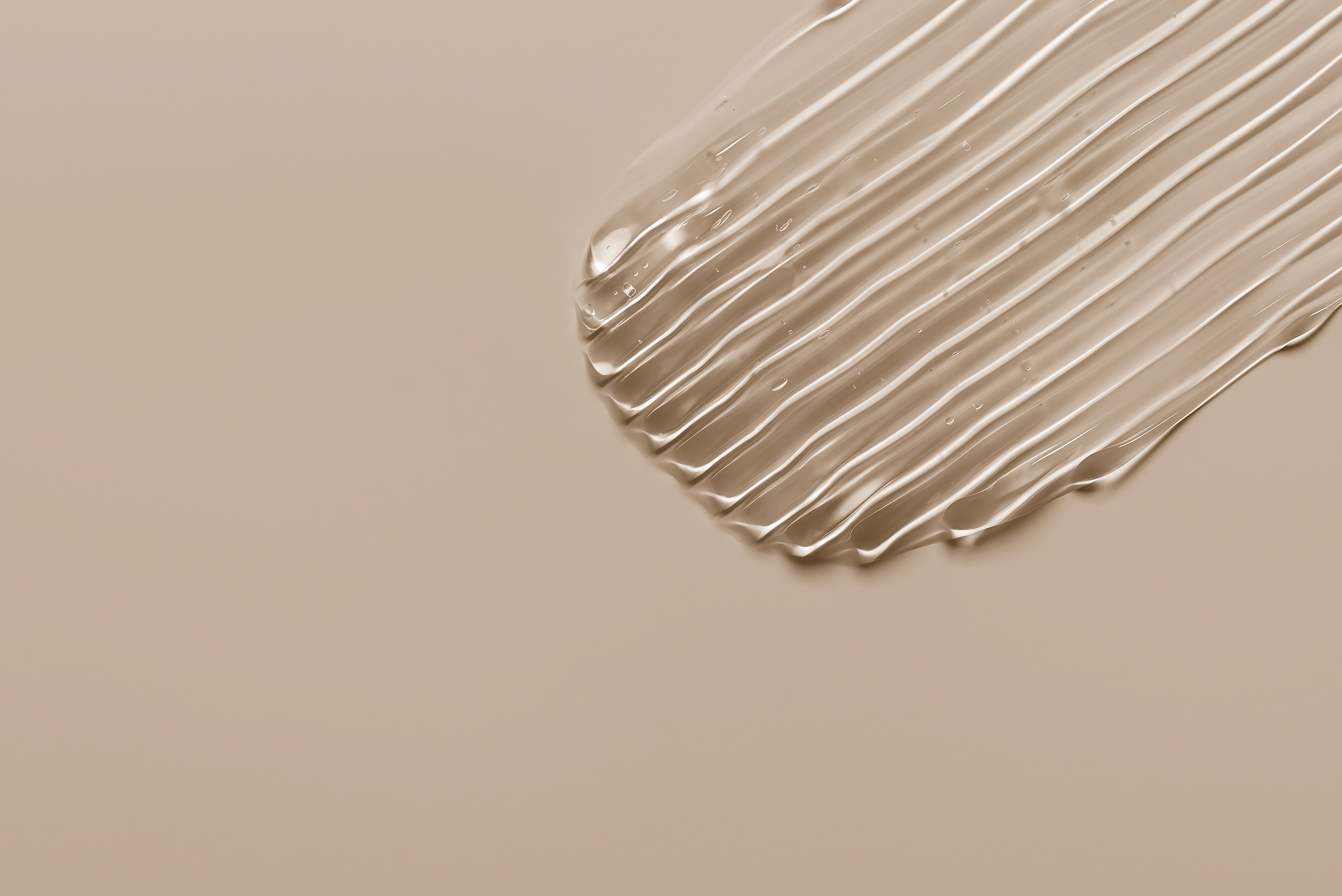
Hydrogel systems are particularly valuable in this context because they function less like rapid treatment tools and more like structured contact environments.
A hydrogel matrix creates close, uniform interaction with the skin surface while reducing unnecessary evaporation. This controlled environment temporarily supports hydration retention and allows formulations to remain active on the skin for longer periods without immediate absorption loss.
Unlike traditional sheet masks or highly volatile formulations, hydrogel structures maintain greater physical stability and temperature consistency during application. The objective is not overstimulation, but controlled exposure.
Modern skincare culture often treats visible activity as evidence of progress. Tingling, redness, tightness, or excessive exfoliation are frequently interpreted as signs that products are “working.” In many cases, however, these responses simply indicate elevated barrier stress.
Long-term skin quality depends on restraint
Healthy skin rarely requires constant escalation.
Long-term skin quality depends more on maintaining structural balance than pursuing continuous correction. Hydration consistency, lipid integrity, inflammatory regulation, and environmental tolerance all rely on preserving the barrier’s ability to regulate itself effectively over time.
For this reason, minimal and controlled formulations often produce more sustainable outcomes than highly aggressive routines.
Reducing unnecessary ingredients, limiting overlapping actives, and supporting longer contact stability can help decrease formulation stress while improving overall skin compatibility.
In many cases, skin condition improves not when more stimulation is introduced, but when unnecessary disruption is removed.
Trends will continue to change.
Barrier function remains constant.
The skin does not respond to marketing cycles. It responds to stability, restraint, and recovery conditions maintained consistently over time.